
Sometimes, I’ve been burned out because of the sheer amount I had dished onto my plate. I had no idea how to protest the load, so I just accepted it and somehow did all the things.
But most of my life, the burnout story has been different.
Most of my life, I’ve been exhausted simply because I’ve been playing catch-up in a game where I started out down pieces.

Maybe you’ve done that — fought that gray space where you technically “make too much money” to get help, took the painful extra time to teach yourself because you didn’t have access to a class, or sent 100 emails instead of 10 because you didn’t already have clout and connections.
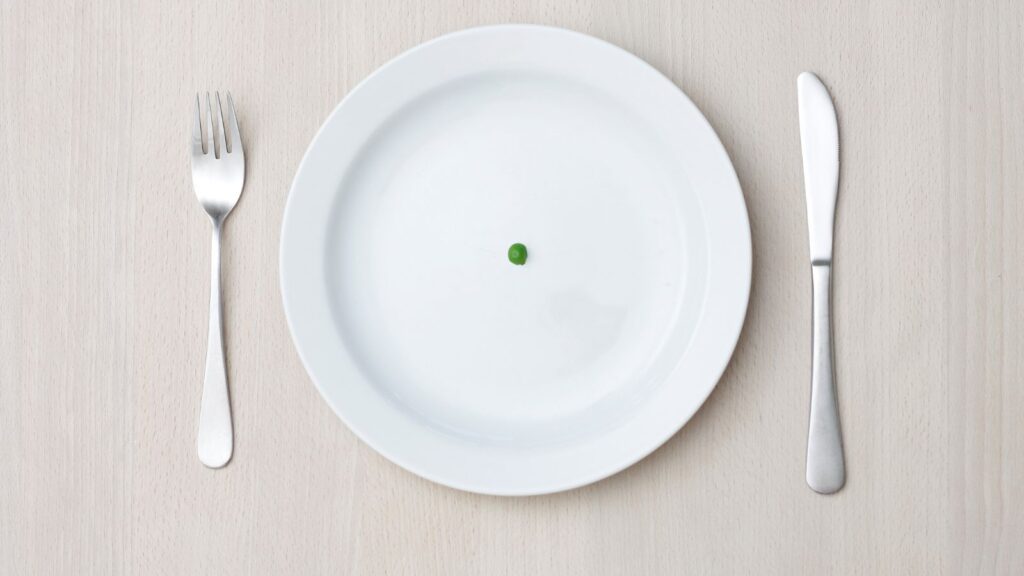
This is burnout not from TOO MUCH, but from TOO LITTLE.
Too little support. Resources. Opportunity.
Burnout from LACK is not made up. It’s real.
So, why do we only talk about burnout in the context of loads that are too big?
My latest edition of Mind Uncensored acknowledges that burnout doesn’t just happen from excessive external pressures and expectations. It happens from trying to compete on our own without what we need, too. Because the two types of burnout require such different solutions — reduction versus addition — it’s time we addressed the nuance.
Have you ever felt burned out not from the size of your load, but because you had no choice but to move forward without being properly equipped? Share your story in with me on LinkedIn.
When Burnout Comes from Too Little, Not Too Much
Lately, I’ve been putting everything I’ve got into self-publishing my new devotional and managing ongoing concerns at home. As a freelancer, I continue to juggle multiple responsibilities, too — pitching, editing, marketing, budgeting. It’s the usual dance of faith and focus.
It’s also a lot. The ongoing joke I have with my husband about me wanting to run away to live with the gnomes has a shred of truth as I try to catch my breath, even for five minutes alone in my car. Outsiders looking in might say, “Burnout under all that is totally understandable!”
That’s how we usually approach burnout, as an issue of too much.
Too many roles.
Too many meetings.
Too many decisions, pivots in cognitive work, expectations, input, and responsibilities.
But if we don’t also address too little, we miss half the reason people can suffer.
What burnout from lack looks like
From a pragmatic viewpoint, too little often looks like too little funding or time — we end up having to use an enormous amount of energy completing tasks others might be able to pay for, or we have to get creative and scrappy to meet deadlines without resources others normally have. Sometimes, lack means not having skills or information that would help us work smarter, too. A lack of clarity or not enough alignment between values and work are problematic, as well.
But “lack” often shows up in more intimate ways — too little encouragement, clarity, non-performance-based feedback, or relational warmth.
These have a theme — too little connection. When we lack good relationships, we can’t release the weight of our emotional load easily with others, the way we’re designed to. The struggle starts to feel invisible — like no one sees it or can help. We start to fatigue not because of everything on our plate, but because knowing we’re alone is so heavy.
Making burnout an “it’s me” issue
Normally, we frame burnout as a systems problem — external forces like a company or culture are simply putting too much pressure on us. It feels like collapse under intensity. Our struggle and failure are their fault for being unreasonable, and challenging that system to finally slow down is healthy.
Burnout from lack connects to broken systems, too. The number of extra hours I’ve logged — and still log — trying to dig out of the poverty I grew up in are not my imagination.
But it flips the usual script and feels more personal. It’s the slow bleed of trying to build with nothing that asks,
Do I have what it takes?
Why does this feel so heavy when others seem to manage?
Why am I by myself?
Am I just…not enough?
How do I keep showing up, caring, and holding the standard when no one sees how empty my tank is?
There’s no margin. No backup. No relief. Only the unbearable fear that if we take a break — the way people who are burned out from big loads often finally acquiesce to do — we can’t possibly get even our basics and survive.
In this acute awareness that we’re not supported, stopping feels like madness, because we don’t know who will come if we fall. And in the desperate effort to build excellence with the half-bricks we have, we pick up self-blame. The feelings can override what we cognitively know about why our lack exists. Our struggle and failure become our fault, because if we were just somehow better in some unnamable way, we wouldn’t have the lack in the first place.
We’re not drowning in deadlines. We’re just…fading. Quietly. Because no one’s helping us carry what matters most to us. Because we’re giving and giving, and nothing is giving back.
And with the idea of fixing unreasonable external pressure — that is, overwork — dominating burnout conversations, that’s why we don’t talk about it.
It’s easy to point a finger and say someone or something hurt us. But nobody wants to admit they’re afraid and can’t overcome.
A completely different question and solution
When burnout happens because we feel empty and desperate instead of crushed, our call isn’t to hustle less. It’s not to ask, “What can I take off my plate?” It’s to ask, “What do I need to make this sustainable?”
Traditional burnout requires reduction. Burnout from lack, however, requires addition. Removing exhaustion and delivering peace with the right solutions requires us to acknowledge the difference.
Addressing both sides of the problem
We can see traditional burnout as a Goliath that’s almost too big to slay. It takes a massive amount of resources to reform the external broken systems that create an unbearable, “too much” load.
But burnout from lack is its own giant. It forces us to accept one of the hardest truths of life — our ability to overcome is not entirely under our control, the way American ideology preaches. We can be resilient, gritty, passionate, and willing, and still fail because we don’t have what the job requires. To detach success from our own character or identity in this way is arguably the more difficult challenge, because reshaping our perception of ourselves and our autonomy — even with intention and purpose — is so existentially terrifying.
None of us can give everybody everything they need to win. But we all have something to offer — the ability to format something, the warmth of our hands, or even a load of landscaping gravel. When we look for people who need what we have to give, we can give them the space they need to breathe and make their work viable. It’s healing through community.
We can work on doing less. But let’s allow ourselves to receive more, too.
The original version of this post appeared in Wanda Thibodeaux’s Mind Uncensored newsletter July 30, 2025. Like this content? Subscribe to Mind Uncensored!
Subscribe on LinkedIn